


By using our website, you agree to the use of cookies as described in our Cookie Policy
Can You Email Legal Documents to a Process Server in Dallas?
Most people assume process servers just want the paperwork. Give them what they need, they handle the rest. But the IRS and the courts see more than that—and if you don't, you're inviting headaches. Documents may not carry tax implications like loans, but they do leave a legal footprint on your case. Especially if deadlines are tight or service gets challenged.

So here's the reality. If you're initiating legal action that demands real compliance, that's smart. Just don't treat those files like casual attachments. Every document should have a clear purpose. Every delivery method needs backup. And every procedural decision should be grounded in how the service was executed—not just how convenient it seemed at the time.
What Process Servers Actually Do
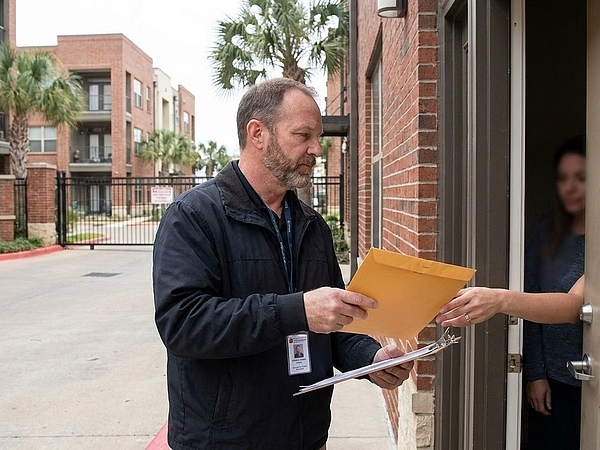
Process servers exist to make sure legal papers land in the right hands. They're not couriers dropping off Amazon packages—they're executing a constitutional right. The person getting served has to know what's coming, and the court has to know they were notified. In Dallas, that means state certification through the Texas Judicial Branch Certification Commission. No shortcuts. No winging it.
Their job isn't just handing over an envelope. It's documenting proof of delivery in a way that holds up under scrutiny. That affidavit they file? That's what keeps your case moving forward. Without it, you've got nothing. Understanding legal requirements for process serving helps ensure compliance with state law.
How Documents Usually Get Served
Personal delivery is the gold standard. Walk up, hand over the papers, done. It's clean. It's defensible. And it's what courts prefer when there's any chance of a dispute down the line.
But sometimes personal service isn't possible. People dodge. Addresses go stale. When that happens, Texas law allows alternatives—posting on a door, certified mail, even publication in certain cases. But those fallback methods? They come with extra steps and stricter rules. You don't just switch tactics because it's easier. You do it because the court says you can.
Emailing Documents to the Server Works Most of the Time
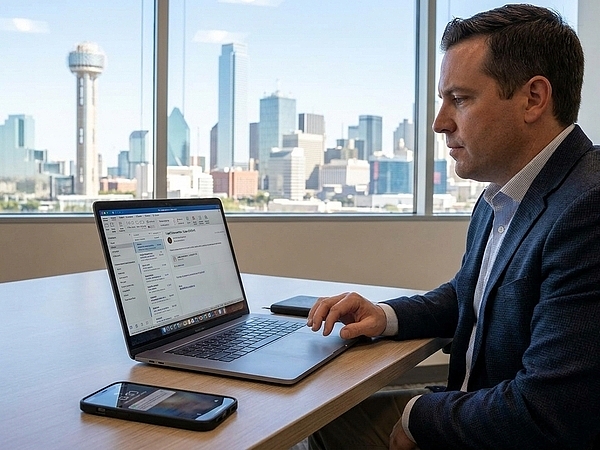
Yes, you can email legal documents to a Dallas process server. That part's straightforward. Most pros in the field accept digital files—PDFs especially—because they're faster and easier to manage than hard copies.
But let's be clear about what you're emailing. You're sending the documents to the process server, not to the person being served. The server still has to deliver those papers according to Texas rules. That usually means in person, unless the court has signed off on something else. For urgent situations, same-day process service options may be available.
Check with your server first. Some have specific file size limits. Others want everything in one email. A few might prefer cloud links if the packet's large. Don't assume—just ask.
Service Itself Still Has to Follow the Rules
Here's where people get tripped up. Just because you emailed the documents doesn't mean the recipient gets them by email. Unless a judge explicitly allows electronic service—and that's rare outside certain commercial or family law contexts—the server has to show up in person.
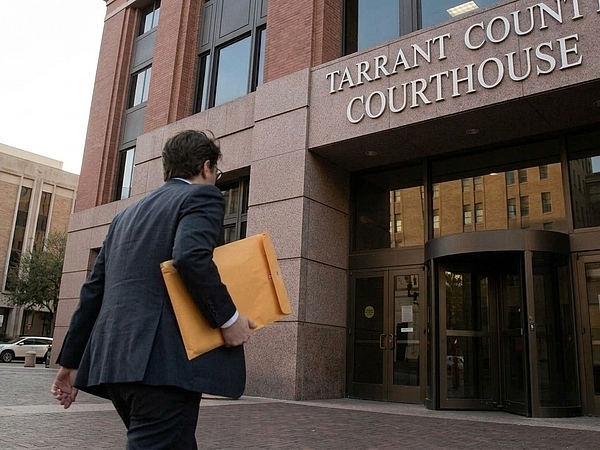
Once they've completed service, they'll file a return or affidavit with the court. That document is your proof. It shows who was served, when, where, and how. Without it, your case can stall or even get dismissed. Accurate affidavits matter in North Texas because they serve as legal proof of service. So the method you used to get the papers to the server? Irrelevant to the court. What matters is how the server got them to the defendant.
What You Need to Do When Sending Files
- Confirm the process server accepts email and ask about format preferences
- Use PDFs to preserve formatting and prevent editing
- Label files clearly with case name, document type, and date
- Include recipient details, addresses, and any known schedules or notes
- Specify deadlines for service and court filing dates
Details That Keep Things Moving
Don't just fire off an attachment and disappear. Give the server context. Who are they serving? Where's the best place to catch them? Are there access issues—gated communities, security desks, restricted hours? Process servers handle gated communities differently and need advance information. The more you share upfront, the less time gets wasted on guesswork.
And always request confirmation of receipt. A quick "Got it, will serve by Friday" text or email means you're both on the same page. No confirmation? Follow up. Don't assume silence means success.
Common Ways This Goes Sideways
- Sending the wrong version of a document or forgetting to include exhibits
- Assuming email to the server equals legal service to the defendant
- Skipping follow-up and missing filing deadlines as a result
- Using unsecured email for sensitive or confidential case materials
- Failing to keep copies of what was sent and when
When Email Might Not Be Enough
Some process servers prefer hard copies for certain filings. Others work in rural areas with spotty internet and would rather meet in person. If you're dealing with high-stakes litigation or a defendant with a history of evasion, handing over physical documents might make more sense.
And if your case involves a protective order, sealed records, or anything requiring extra discretion, ask your server how they handle confidential materials. Not all email systems are created equal. Some firms use encrypted portals. Others don't. Know before you send.
What Happens After You Hit Send
Once the server has your documents, they'll plan the attempt. Timing matters. Serving someone at work versus at home can change the outcome. Weekends, early mornings, late afternoons—experienced servers know when to show up for the best chance of contact.
If service succeeds, you'll get the affidavit. If it doesn't, they'll try again or advise you on next steps. That might mean updating the address, requesting substitute service, or filing a motion with the court. Either way, you'll know where you stand. Valid service attempts in Texas courts must meet specific legal standards.
Why Working with a Pro Saves You Time
- Certified servers know Texas law and local court quirks
- They handle difficult or evasive recipients without drama
- Affidavits are filed correctly the first time
- You avoid procedural mistakes that can delay or derail your case
- Communication stays clear from start to finish
Your Case Only Moves If Service Is Done Right
Sending legal documents to a Dallas process server by email is fine. Convenient, even. But that's the easy part. What happens next—the actual service, the documentation, the court filing—that's where cases get won or lost. You can't skip steps just because the tech makes it feel simple. Many professionals emphasize hiring a professional process server to ensure proper compliance.
At the end of the day, your legal strategy depends on proof that the other side was notified. No shortcuts. No assumptions. Just clean execution and a paper trail that holds up when it counts. Email the documents if your server's cool with it. But don't confuse convenience with compliance. They're not the same thing, and the court knows the difference.
Let’s Get Your Papers Served—The Right Way
We know how important it is to keep your case moving without missing a beat. If you’re ready to get your legal documents served quickly and by the book, let’s make it happen together. Call us at 682-409-4415 or order process service now and we’ll handle the details so you can focus on what matters most.
‹ Back
Recent Posts
-
How Long Should You Keep Affidavits of Service in Texas?
October 21, 2026
-
-
When Should You Request Rush Court Filing in Fort Worth?
September 23, 2026
-
Can You Email Legal Documents to a Process Server in Dallas?
September 9, 2026
-