

By using our website, you agree to the use of cookies as described in our Cookie Policy
Do You Need a Notary in Dallas Before Filing Court Documents?
Most people assume every court filing needs a notary stamp. That's not quite right. Some documents absolutely require notarization—others don't. The Dallas courts care more about what you're filing than how official it looks. If your paperwork involves a sworn statement or an acknowledgment, you'll need a notary. If it's a standard motion or a straightforward petition, you might not. The difference matters, because showing up without the right authentication can get your filing kicked back before it even hits a clerk's desk.
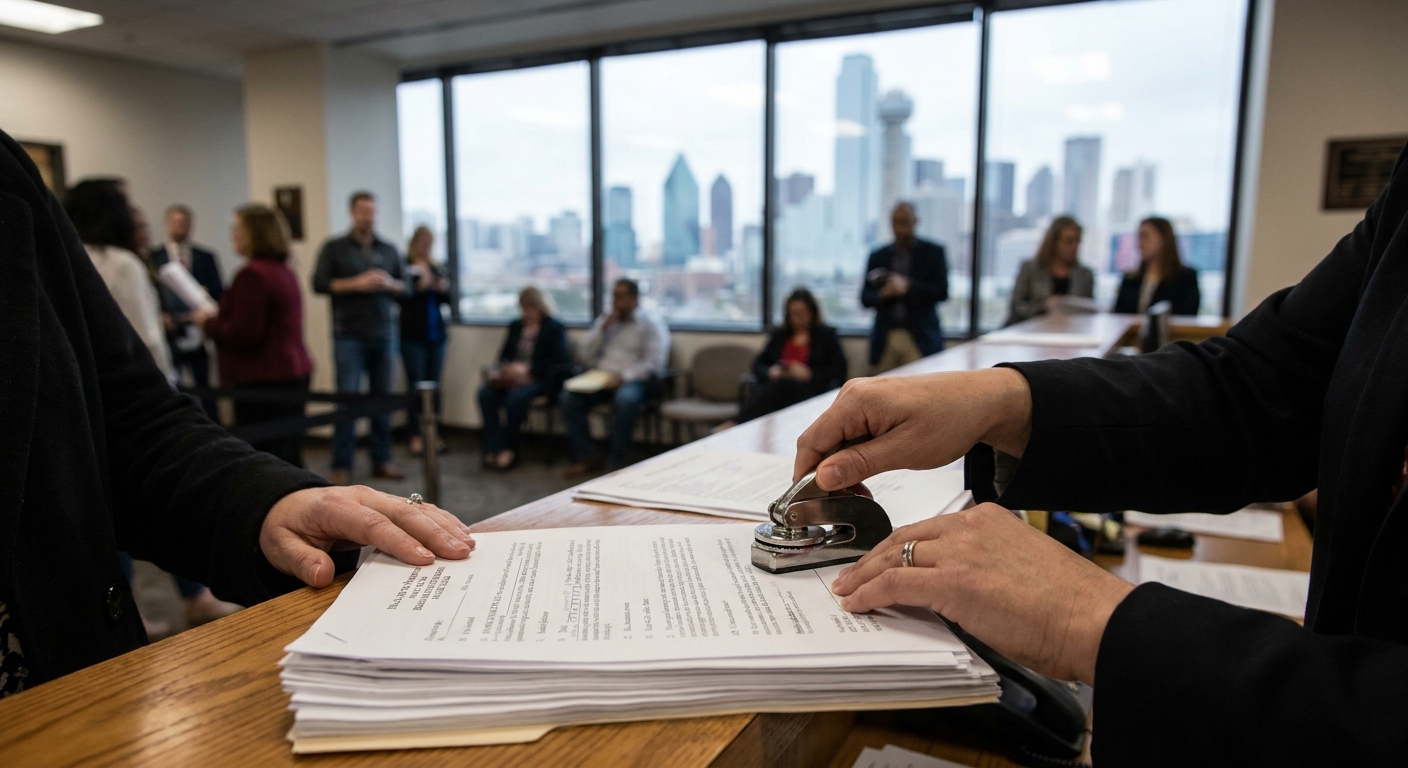
We've seen plenty of filers waste time resubmitting documents because they skipped a required notarization—or paid for one they didn't need. The rules aren't hidden, but they're not always intuitive either. Every court has its own quirks, and Dallas is no exception. If you're filing in probate, family court, or district court, the notary requirements shift depending on what you're submitting and why. Know the line between necessity and overkill, and you'll save yourself hassle, money, and a second trip to the courthouse.
The Role of a Notary in Legal Filings
A notary public exists to verify identity and witness signatures under oath. They're not there to judge the content of your document—just to confirm you are who you say you are and that you signed willingly. Texas notaries are authorized to administer oaths, certify copies, and take acknowledgments. When a notary applies their seal and signature, they're vouching for the legitimacy of the signing process. That stamp carries legal weight, especially when a document needs to be treated as sworn testimony.
For court purposes, notarization serves as a safeguard against fraud and false statements. It ensures that affidavits, declarations, and other sworn filings aren't just typed up and submitted without accountability. The notary creates a record—one that can be traced if questions arise later. This is why courts require notarization for documents that involve factual claims made under penalty of perjury. It's not bureaucracy for its own sake. It's verification with consequences.
Which Documents Actually Need Notarization
Not every piece of paper headed for the courthouse requires a notary. The rule of thumb is simple—if it's sworn, it's notarized. Affidavits, acknowledgments, and waivers that involve legal rights or obligations typically fall into this category. If you're attesting to facts under oath, the court wants proof that you did so in front of a neutral witness.
- Affidavits supporting motions or petitions
- Sworn declarations of fact
- Power of attorney documents
- Waivers of service or consent forms
- Certain probate and estate filings
On the flip side, many routine filings don't need notarization. Complaints, answers, motions without affidavits, and discovery requests can usually be filed without a notary's involvement. The document itself will often indicate whether notarization is required. If it doesn't say, and you're unsure, check the local rules or ask the clerk's office before you pay for a service you don't need.
Dallas County Court Nuances
Dallas courts follow Texas law, but each division has its own filing protocols. The Dallas County District Clerk handles civil and criminal cases. The County Clerk manages probate, family law, and some misdemeanors. Both offices provide instructions for what they require, but those instructions aren't always identical. Family courts, for instance, often require notarized waivers or consents when one party isn't contesting an action. Probate courts lean heavily on notarized affidavits for estate administration.
Local rules can add another layer. Some judges prefer notarized affidavits even when the law doesn't strictly demand them. Others are fine with unsworn declarations made under penalty of perjury, which don't require a notary but still carry legal force. If you're filing in a specific division or before a particular judge, review their standing orders or call the court coordinator. A five-minute phone call can prevent a rejected filing and a wasted afternoon.
Remote Online Notarization Is an Option
Texas allows remote online notarization, meaning you can complete the process via video call with a commissioned notary. This is especially useful if you're filing from outside Dallas, have mobility issues, or just want to avoid driving across town. The notary verifies your identity using credential analysis and knowledge-based authentication, then witnesses your signature through a live audio-video feed. The entire session is recorded and archived.
Not all courts accept remotely notarized documents, though most do. Before you schedule an online session, confirm that the Dallas court where you're filing recognizes RON. If they do, you'll save time and still meet the legal requirement. If they don't, you'll need to find a mobile notary in person. Better to check upfront than to discover the limitation after you've already paid for the service.
What Happens When You Skip It
Submit a document that requires notarization without one, and the clerk will reject it. Your filing date gets pushed back, which can matter in time-sensitive cases. If you're trying to meet a statute of limitations or comply with a court order, a rejected filing can have real consequences. You'll have to get the document notarized, refile, and hope the delay doesn't cause additional problems.
- Rejected filings delay your case timeline
- You may miss critical deadlines
- Resubmission requires additional trips or postage
- Judges may view repeated errors as negligence
- False statements on unnotarized documents can still carry penalties
Even worse, if you submit a sworn statement without proper notarization and it contains false information, you could face sanctions or charges of perjury. The notary isn't just a formality—it's a line of accountability. Skip it when required, and you're opening yourself up to legal and procedural headaches.
How to Get It Right Before You File
- Review the document carefully for notarization language
- Check Dallas County court websites for filing requirements
- Call the clerk if you're uncertain about a specific form
- Use a Texas-commissioned notary for all notarizations
- Keep copies of every notarized document
- Consider remote online notarization for convenience
If you do need a notary, bring a valid government-issued ID. Most notaries won't proceed without one. Sign the document in their presence—never beforehand. Once notarized, make copies before you file. If the original gets lost or rejected, you'll have a backup that shows the document was properly executed. Understanding timely court filing in Texas and how notaries in Dallas Fort Worth support the legal process can help ensure you meet all requirements correctly from the start.
Stop Guessing and Start Filing Correctly
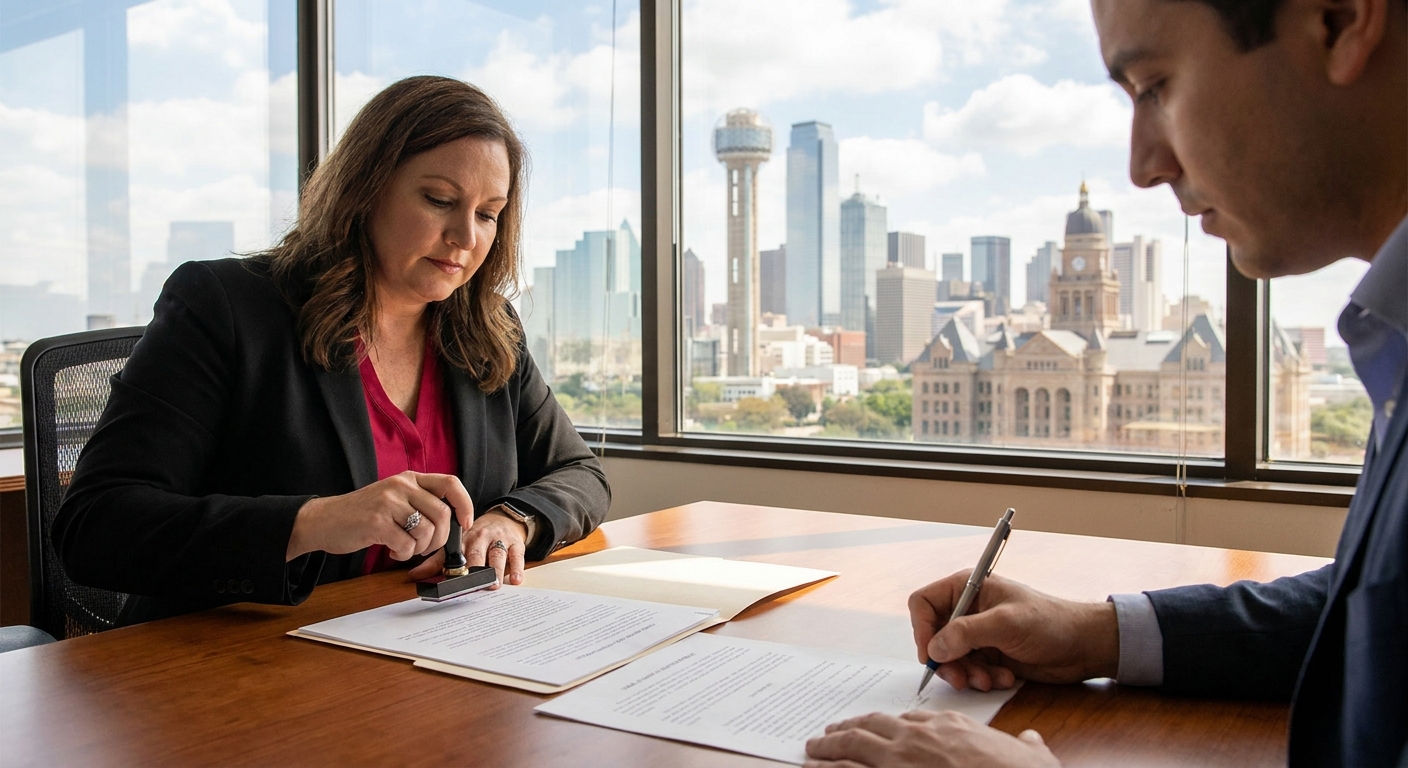
The notary question isn't complicated once you know the rules. Some filings need it, some don't, and the court will tell you which is which if you bother to check. Dallas courts process thousands of documents every week, and they don't have patience for preventable mistakes. Do the legwork upfront—read the instructions, verify the requirements, and show up with the right paperwork. When you understand the benefits of electronic filing of court documents and how e-filing changed Texas court document submission, you can streamline your filing process and avoid the frustration of starting over. Our services are designed to help you navigate these requirements efficiently and correctly every time.
Let’s Make Your Next Filing Smooth
We know how stressful court deadlines and paperwork can be, but you don’t have to handle it alone. Let’s work together to make sure your documents are notarized and filed right the first time—no wasted trips, no costly mistakes. If you’re ready to get started or have questions about what you need, give us a call at 682-409-4415. When you’re set to move forward, Order Process Service Now and we’ll take care of the details for you.
‹ Back
Recent Posts
-

When Should You Request Rush Court Filing in Fort Worth?
September 23, 2026
-

Can You Email Legal Documents to a Process Server in Dallas?
September 9, 2026
-
-

-