

By using our website, you agree to the use of cookies as described in our Cookie Policy
How Do Process Servers in Fort Worth Find Updated Addresses?
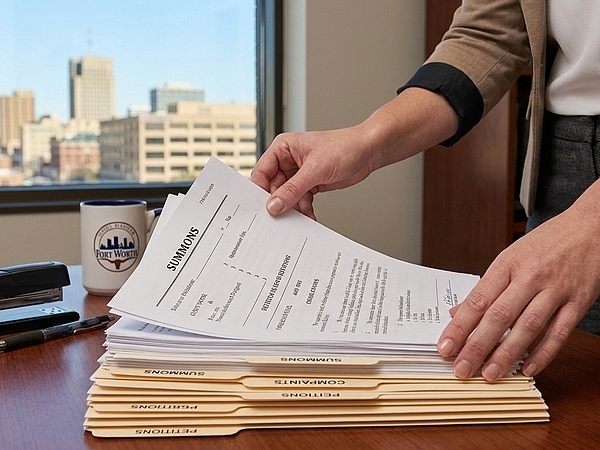
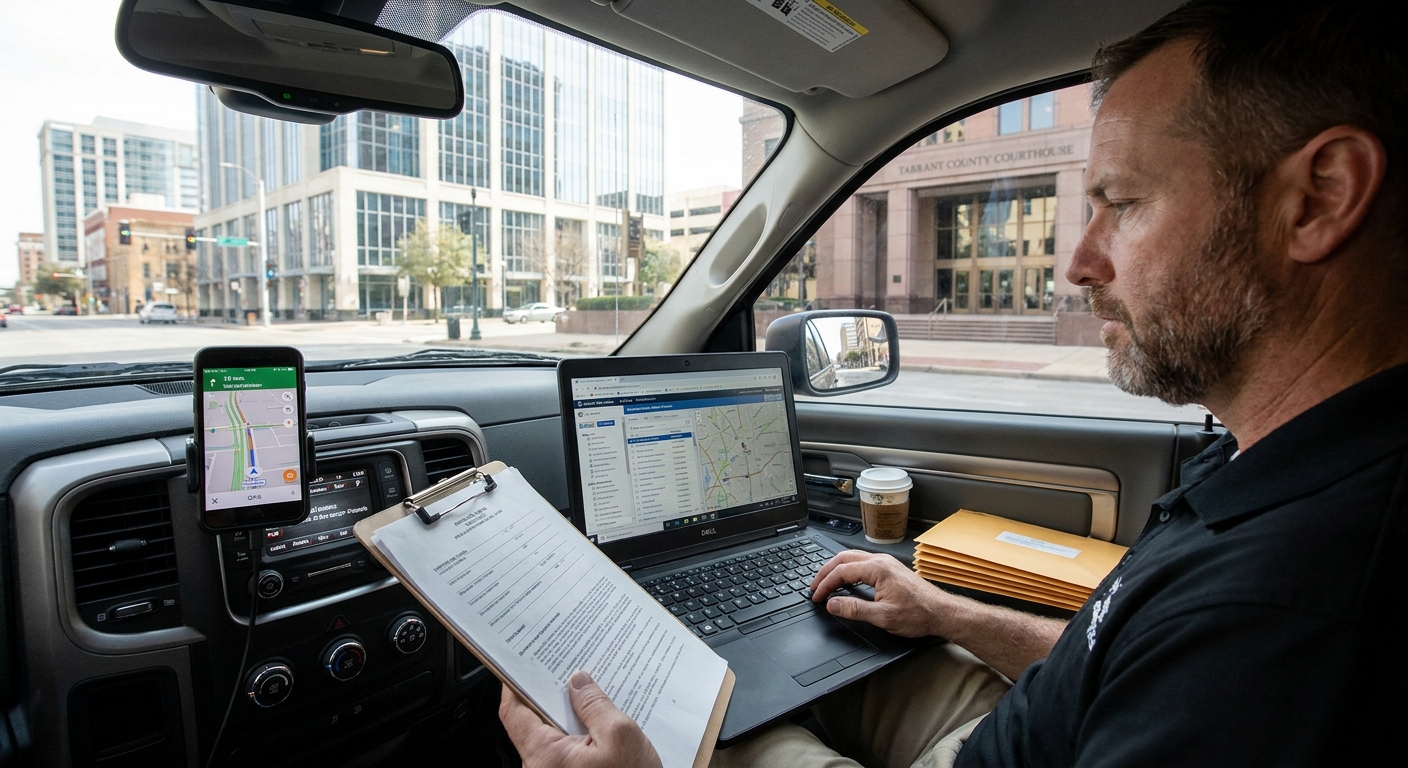
Most people think process servers just knock on doors and hand over papers. Simple, right? Wrong. The reality is messier — and a lot more complicated when the person you're looking for isn't where they're supposed to be. In Fort Worth, tracking down someone who's moved, dodged contact, or simply fallen off the grid isn't guesswork. It's methodical, strategic, and backed by tools most people don't even know exist.
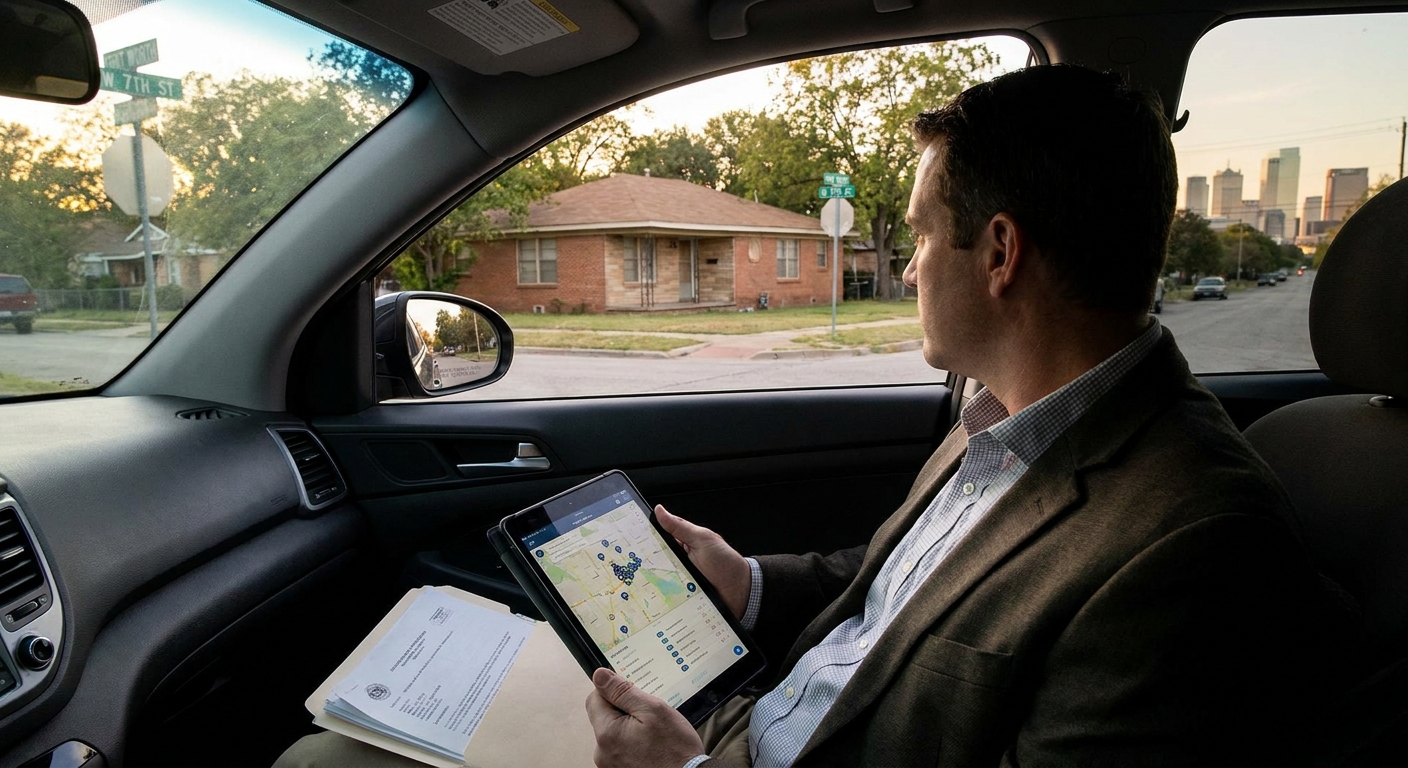
We're not talking about magic. We're talking about layered research, smart fieldwork, and knowing where to look when the obvious routes fail. Every address hunt starts with what's on paper — and ends with what's actually true. The gap between those two things? That's where the work happens.
Why Getting It Right Matters More Than You Think
Serving papers isn't a courtesy — it's a legal requirement. Miss the mark on an address, and you're not just wasting time. You're putting court dates at risk, dragging out cases, and potentially costing clients money and credibility. Judges don't accept "we tried" as an excuse. They want proof that due diligence was done and that every reasonable step was taken to find the person.
That's why we treat every address like it might be wrong until we confirm it's right. The stakes are too high to do otherwise. A bad address can unravel an entire case, and no one wants to be the reason a lawsuit stalls or gets dismissed.
Starting With What We Already Have
Every search begins with the information handed over by the client or attorney. That usually includes a last known address, maybe a phone number, and whatever identifying details are available. We start there — not because we assume it's accurate, but because it's the baseline. If the person still lives at that address, great. If not, that's when the real hunt begins.
First attempts matter. We verify the address, check for forwarding orders, and look for signs that someone's actually living there. If we hit a dead end, we don't just walk away. We start digging.
Public Records Are the Foundation
Texas is one of those states where public records can tell you a lot — if you know where to look. We pull property records, voter registrations, court filings, and utility connections. These databases aren't always intuitive, but they're rich with clues. A recent property sale, a new voter registration, or even a filed lawsuit can point us in the right direction.
The trick is knowing which databases to check and how to cross-reference what you find. One record might show an old address. Another might show a relative's name. Put them together, and you've got a lead. It's not flashy work, but it's effective.
Skip Tracing Isn't Just for Bounty Hunters
When the paper trail runs cold, we move into skip tracing territory. This is where things get more technical — and more interesting. Skip tracing in DFW combines investigative techniques with access to specialized databases that aggregate data from credit bureaus, financial institutions, and other sources.
Here's what that process can involve:
- Pulling credit reports for recent address updates or account activity
- Scanning social media profiles for location tags, check-ins, or recent posts
- Reaching out to known relatives, employers, or associates
- Checking postal forwarding records through USPS systems
- Using proprietary databases that compile information from dozens of sources
Skip tracing isn't about stalking. It's about connecting dots that most people wouldn't think to look for. And when done right, it closes the gap between a stale address and a current one fast.
Local Networks Make All the Difference
Fort Worth is big, but it's not faceless. We've built relationships with private investigators, law enforcement contacts, and even postal workers who know their routes inside and out. These connections matter when you're chasing down someone who's trying not to be found — or who simply moved without telling anyone.
Local knowledge helps too. Knowing which apartment complexes have high turnover, which neighborhoods people move to, or which businesses someone frequented can shave hours off a search. It's the kind of insight you don't get from a database.
Sometimes You Have to Hit the Streets
Not every search ends at a computer screen. Sometimes we have to visit the last known address, talk to neighbors, or stake out locations where the person is likely to show up. Surveillance work is legal when done correctly, and it can confirm whether someone's actually living at a suspected address or just using it as a mail drop.
Fieldwork takes patience. You can't rush it, and you can't fake it. But when digital methods come up short, putting eyes on the ground is often what closes the case.
The Tools We Use Every Day
We don't work off instinct alone. The tools we rely on give us access to information that isn't public-facing or easy to find. These include:
- Credit bureau databases for real-time address changes
- Aggregated skip-tracing platforms that pull from hundreds of sources
- Court filing systems that show recent legal activity
- Property tax records and deed transfers
- Vehicle registration databases tied to current addresses
Each tool has its strengths, and we rotate through them depending on what we're up against. It's not about having one magic solution — it's about knowing which tool fits the situation.
Legal Boundaries We Never Cross
There's a line between persistent and illegal, and we stay on the right side of it. We can't trespass. We can't harass. We can't lie or misrepresent ourselves to get information. Legal requirements for process serving in Texas — and nationwide — set clear limits on what's permissible, and we follow them to the letter.
Professional process servers know how to be thorough without crossing ethical lines. That's what separates the pros from the amateurs. We get results, but we get them the right way.
What Happens When the Address Is Confirmed
Once we've locked down a current address, we move quickly. Service has to happen according to strict legal guidelines, and timing matters. We don't just show up and hope for the best — we plan the approach, verify the person's presence, and execute service in a way that holds up in court.
That's the payoff for all the legwork. A confirmed address means the case can move forward, the client gets closure, and the legal process stays on track.
Why DIY Address Searches Usually Fail
We've seen plenty of clients try to track someone down on their own before hiring us. And we get it — why not save money and do it yourself? The problem is, most people don't have access to the databases we use. They don't know which public records to check or how to interpret what they find. And they don't have the experience to spot red flags or dead ends before wasting days on the wrong lead.
Process serving isn't just about handing someone a piece of paper. It's about making sure the right person gets it at the right place, in a way that satisfies the court. That takes skill, access, and a whole lot of persistence.
Finding People Is What We Do Best
Tracking down updated addresses in Fort Worth isn't always easy, but it's always necessary. We combine public records, skip tracing, local intelligence, and fieldwork to make sure no one slips through the cracks. And we do it within the bounds of the law, every single time. Understanding what makes a service attempt valid is crucial to the entire process. If you're trying to serve papers and can't confirm where someone lives, you're not stuck. Professional process service means working with someone who knows how to dig deeper than a Google search, and our service areas throughout North Texas ensure we can help wherever you need us.
Ready to Get Your Papers Served?
When it comes to finding updated addresses and serving papers in Fort Worth, we know how to get results quickly and legally. Let’s take the stress off your plate and move your case forward with confidence. Call us at 682-409-4415 or Order Process Service Now—we’re here to help you get the job done right the first time.
‹ Back
Recent Posts
-
How Long Should You Keep Affidavits of Service in Texas?
October 21, 2026
-
-
When Should You Request Rush Court Filing in Fort Worth?
September 23, 2026
-

Can You Email Legal Documents to a Process Server in Dallas?
September 9, 2026
-