


By using our website, you agree to the use of cookies as described in our Cookie Policy
What Happens If Someone Avoids Being Served in Dallas
Most people think dodging a process server buys them time. Maybe it does — for a week or two. But the court system in Dallas wasn't built to let avoidance win. If you're the one trying to hide, you're not stopping the case. You're just making it worse. And if you're the one trying to serve someone who won't answer the door, there's a playbook for that too.
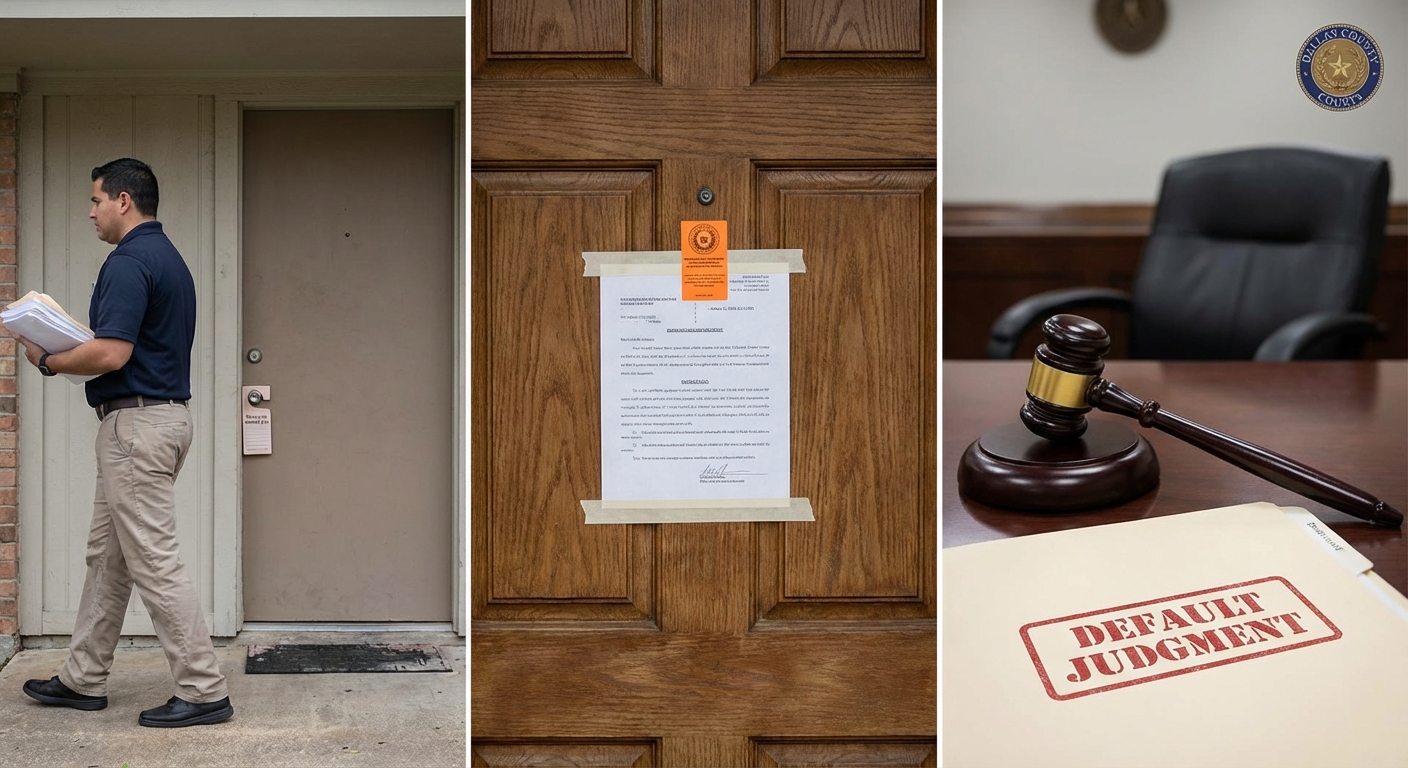
Service of process isn't a formality. It's the foundation. Without it, the defendant never gets notice, and the court can't move. But Texas law doesn't let people game the system by playing hide-and-seek. There are workarounds, escalations, and consequences — all of them designed to keep justice from stalling out because someone refused to open the door.
The Court Needs Proof You Tried
You can't just tell a judge someone's avoiding you. You have to show it. That means documentation — dates, times, addresses, and every attempt made. Process servers in Dallas know this drill. They knock, they wait, they come back. And when it's clear the defendant is ducking them, they file an affidavit laying it all out.
That affidavit becomes the evidence. It tells the court that reasonable efforts were made and that the person on the other end isn't cooperating. Once that's on file, the plaintiff can ask for permission to serve another way. And most of the time, the judge will grant it.
Substitute Service Kicks In When Personal Service Fails
Texas Rule of Civil Procedure 106 gives courts the authority to approve alternative methods when someone can't be reached directly. These aren't loopholes — they're legitimate legal tools designed to keep cases moving when defendants refuse to engage.
Here's what substitute service can look like:
- Leaving documents with someone over 16 at the defendant's home
- Delivering papers to the defendant's workplace
- Posting the documents on the front door of the residence
- Publishing notice in a local newspaper if all else fails
- Mailing copies to the last known address alongside posting or publication
Judges Don't Rubber-Stamp These Requests
You can't just ask for substitute service because it's more convenient. The court wants to see that you made a real effort. That means multiple attempts, different times of day, and a clear pattern of avoidance. If the judge is convinced the defendant is intentionally hiding, the motion gets approved. If not, you're sent back to try again.
Once substitute service is authorized, it carries the same legal weight as handing someone papers in person. The defendant doesn't get to claim they never knew about the case. The court considers them notified, and the clock starts ticking on their response deadline.
Default Judgments Happen When No One Shows Up
Think avoiding service means avoiding the lawsuit? It doesn't. If the court determines that proper service occurred — even through substitute means — and the defendant still doesn't respond, the plaintiff can request a default judgment. That means the case moves forward without the defendant's input.
Here's what that can lead to:
- The plaintiff wins by default and gets what they asked for
- Monetary damages are awarded without a defense being heard
- Custody arrangements or property divisions are decided in the plaintiff's favor
- The defendant loses the chance to present evidence or negotiate terms
- Enforcement actions like wage garnishment or liens can follow immediately
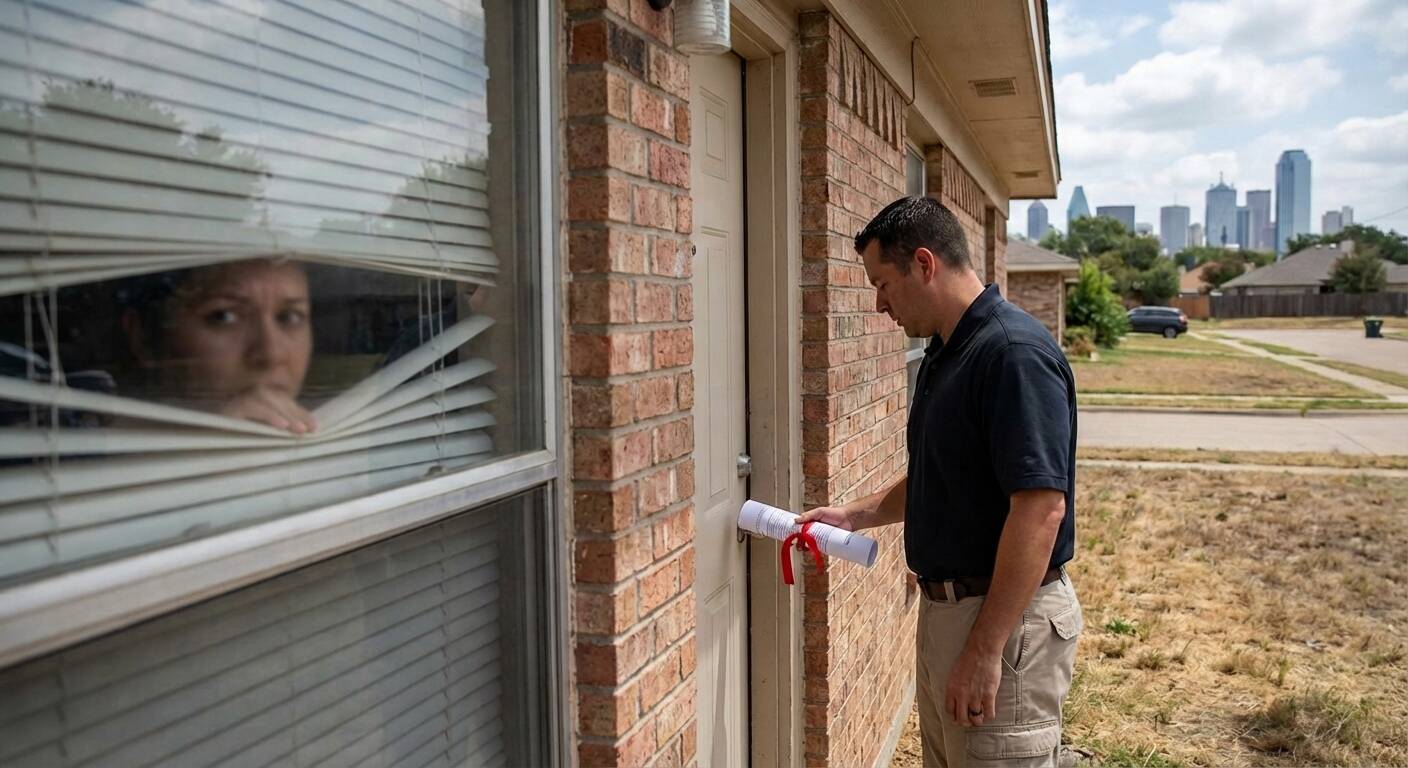
Avoidance Racks Up Costs You Didn't Plan For
Every extra trip a process server makes costs money. Every motion filed to request substitute service adds legal fees. And when the court finally moves forward, those costs don't just disappear. The defendant can be ordered to cover them — on top of whatever judgment they're already facing.
Avoidance also signals bad faith to the court. Judges notice when someone's playing games, and it doesn't help your case. If you're already on shaky ground, dodging service is one of the fastest ways to lose credibility before you even walk into the courtroom.
What You Should Do If Papers Are Coming Your Way
Accept them. Seriously. It's not an admission of guilt, and it doesn't mean you've lost. It just means you're being notified of a legal action, and now you have the chance to respond. Ignoring that opportunity is the worst move you can make.
Once you're served, here's what matters:
- Read the documents carefully and note any deadlines
- Contact an attorney as soon as possible to discuss your options
- File a response within the required timeframe to avoid default
- Gather any evidence or documentation that supports your side
- Show up to court dates and take the process seriously
The System Has Backup Plans for Every Dodge
Dallas courts see avoidance tactics all the time. People move without updating their address. They tell roommates to lie. They park around the corner and wait for the process server to leave. None of it works long-term. The legal system has seen it all, and it's built to adapt.
Substitute service, publication, and default judgments exist precisely because avoidance is predictable. The law doesn't reward it. It just routes around it and keeps moving. And when the dust settles, the person who tried to hide is usually worse off than if they'd just faced the situation head-on.
Facing It Beats Running From It
No one wants to get served. But pretending it's not happening doesn't make it go away. In Dallas, the courts have the tools to push cases forward even when defendants refuse to cooperate. And when that happens, you lose more than just the case — you lose the chance to defend yourself, negotiate terms, or present your side of the story. That's not a trade worth making.
If you need reliable process service in Dallas-Fort Worth, North TX Process Service handles everything from same-day service to difficult-to-reach locations. Contact us today to get your documents served right the first time.
Let’s Resolve Your Case the Right Way
We know how stressful it can be when someone tries to avoid being served, but you don’t have to let delays or dodges derail your case. Let’s work together to keep your legal process on track. If you’re ready for fast, professional service, call us at 682-409-4415 or order process service now and we’ll make sure your documents are delivered—no matter the obstacles.
‹ Back
Recent Posts
-

Can You Email Legal Documents to a Process Server in Dallas?
September 9, 2026
-
-

-
-